


How to Clean Binoculars and Care for Them So They Last

This post contains affiliate links. If you use these links to buy something, I may earn a commission at no additional cost to you. I only recommend products I fully support or use myself. My full terms
PIN THIS FOR LATER

Contents
Ever lift your binoculars to finally get a good look at a warbler, only to find a smudge right in the middle of the view? We've all been there, and the fix is easy once you know the order.
To clean binoculars, blow the grit off first, brush away the loose dust, then wipe the lenses gently with a little lens cleaning solution on a microfiber cloth. That order matters, because grit left on the glass when you start wiping can scratch the lenses.
I spent 15+ years as a professional wildlife photographer, and my big 500mm lens dates back to 2012. It has been on four different camera bodies since then. Good glass can last a very long time when you look after it, and binoculars are no different.
Most of that looking after happens before anything gets dirty: how you store your binoculars, how you carry them, and whether they spend the afternoon in a hot car. Get those habits down and you'll clean less often, which is easier on the lens coatings (and a lot cheaper than a new pair).
One quick thing before you start: check the manual that came with your binoculars. If the manufacturer says something different from what's here, go with the manufacturer. They know their own optics best.

A pair of Red-necked Grebes, here for no reason except that I like looking at them. Clean lenses help with that. Photo: Jaymi Heimbuch

Start with prevention: how to store and carry binoculars
This part is the easy win. When you're not using your binoculars, tuck them into a secure carrying case with the lens caps and covers on. It feels almost too simple to count as care.
But caps and covers keep dust, moisture, and scratches off the lenses, and storage has a lot to do with how long binoculars last.
And it pays off twice. Binoculars that stay protected need cleaning less often, and fewer cleanings help preserve the lens coatings and extend the life of the lenses.
So where should they live between outings? Somewhere dry and dust free, with something in the case to soak up moisture.
A silica gel pack works, or another desiccant like a small bag of rice. Either one absorbs excess moisture, which heads off condensation and fungal growth. (Yes, fungus. Damp optics can grow it, and nobody wants to find that on their glass.)
Store them upside down, too. The big objective lenses are the more exposed glass when binoculars sit right side up, so flipping them gives dust a harder time settling there. Less dust on the objectives does a lot for image clarity, and for how long your binoculars last.
Then there's carrying them around. A neck strap is essential for preventing accidental drops, so wear it even for a quick peek out the back door. Heading out on a trip? Your binoculars are safest inside their cushioned carrying case.
Heat and sun do their damage quietly. Direct sunlight can harm the parts inside, and the heat that builds up in a parked car can damage the lens coatings along with the adhesive that holds the prisms together. So the dashboard is out.
The rest is simple handling. Keep your fingers off the glass, and try not to drop your binoculars or bang them against hard surfaces. And when it's time to clean the lenses, use a soft cloth or lens cleaning solution made for the job.

A white-eye hanging upside down under a palm frond, like it read the storage advice. Photo: Jaymi Heimbuch
What you need to clean binoculars
I'm going to assume you'll take my advice and protect your binoculars every way you can. They'll still need a cleaning now and then. Fingerprints happen, no matter how careful you are. The body and eyecups pick up dirt too, so they're on the list.
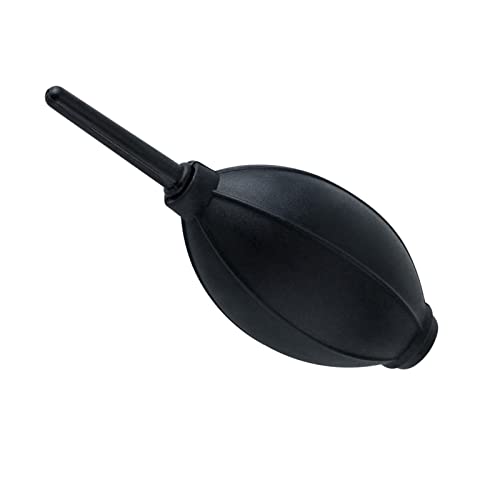
Start by gathering a few simple tools. An air blower comes first: it puffs larger bits of debris out of tricky spots, and since it never touches the glass, there's no risk of scratching it.
A microfiber cleaning cloth does the wiping. Microfiber is soft, absorbent, and good at grabbing dust, which makes it the right cloth for glass.
Lens cleaning solution handles the stubborn smudges. It's formulated to be safe for camera lenses, so it won't damage the lens coating or leave residue behind.
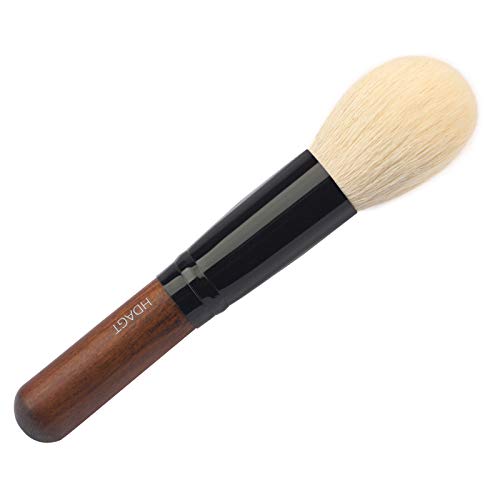
A soft brush made for lenses sweeps dust and debris off the glass and out of hard-to-reach areas without causing damage.
A lens pen is a handy double-sided tool, with a soft bristle brush on one end and a non-liquid cleaning element on the other, usually a flat, round pad.
Lens swabs are for the detail work. They often come pre-moistened with lens cleaning fluid and are usually meant for a single use.
Tempted to grab a regular cotton swab from the bathroom instead? I get it. But cotton swabs aren't lint free, and they could scratch the glass.



What not to clean binocular lenses with
When you spot a smudge, it's tempting to grab whatever's closest. A lot of what's within reach will do more harm than good, though, so keep all of these away from your binocular lenses.
Household cleaners, detergents, and soaps are too harsh. They can scratch the lens coating and wear it down.
Paper towels and tissues are convenient, I know. They're also too abrasive.
Alcohol is out, too. High-concentration isopropyl alcohol and other denatured alcohols can damage the lens coating. Skip alcohol wipes as well, since the wipe material can do damage along with the alcohol.
Compressed air is great for blasting crumbs out of a computer keyboard. For binocular lenses, it's waaay too strong.
The simple rule: if it wasn't made for cleaning lenses, it doesn't touch them. Stick to cleaners and materials designed for optics, and your binoculars stay in good shape.

A quick break before the steps, courtesy of a female Hooded Merganser in the lily pads. Photo: Jaymi Heimbuch
How to clean binocular lenses, step by step
Now for the lenses themselves. They're the part you actually look through, so they get the gentlest treatment. You'll use an air blower, a lens brush, and a gentle wipe with the right cleaning solution, then finish with a lens swab or lens cloth.
Step 1: Hold the binoculars upside down while you clean the lenses, so dirt and dust fall out instead of lodging in the crevices.
Step 2: Use an air blower (never compressed air) to gently remove sand and grit. Why start there? Any grit left on the glass can scratch the lens once you begin wiping. Blow first, wipe later.
Step 3: Brush away the leftover loose dust with a lens brush or a lens pen with soft bristles made for camera or optical lenses, which is less likely to damage the coatings. Sweep it gently across the lens in a circular motion, without pressing on the glass.
Step 4: Put a small amount of lens-approved cleaning solution on a high-quality microfiber cleaning cloth, or on a lens cloth made for optical surfaces. Then wipe the lens in a gentle circular motion. No need to press hard.
Try to hold the cloth by its edges. (Nitpicky, I know. But the oils on your fingers end up on the microfiber, and from there on the glass you just cleaned.)
Step 5: Finish with a lens pen or lens swabs for stubborn smudges and fine detail.
Let the lenses dry completely before the caps go back on. Then keep the caps on, and you get to enjoy that crisp, clear view a lot longer.
Cleaning the body and eyecups
The binocular body is tougher than the lenses. Does that mean you can skip the gentle touch? Nope.
Use a blower to remove dust first, then gently clean the body with a damp cloth.
If your eyecups come off, pop them off and wash them separately in warm water to clear out dust and debris. Let them dry thoroughly before they go back on.
Rubber gone a little sticky in spots? It happens. Apply water or a dedicated cleaning solution and rub those areas gently, so you don't make the damage worse.

A Townsend's Warbler, the kind of bird you want working binoculars for when it finally pops out of the branches. Photo: Jaymi Heimbuch
Advanced care: hinges, seals, and alignment
Don't let the word "advanced" scare you off. These jobs come up a lot less often than cleaning, but they keep your binoculars performing well and can add years to their life.
Cleaning and tightening the hinge
Start by cleaning the hinge mechanism. That stops dirt from building up and keeps the hinge moving smoothly.
Found a loose hinge? Remove the end cap to get at the spanner screw beneath it, and adjust that. Tighten loose hinges with a screwdriver. Go easy, though. Over-tightening can harm the binoculars.
Checking waterproof seals
Waterproof seals protect the parts inside your binoculars from moisture and fogging. Check them now and then for any damage or wear that could compromise their water resistance.
Spot a damaged seal? Send the binoculars to the manufacturer for service. Waterproof binoculars are sealed and gas-filled at the factory, so opening them up yourself to grease or replace a seal lets moisture in, which is the exact thing the seal was there to stop.
Regular inspection keeps them water resistant and reliable for longer.
Checking alignment
Think of an alignment check as a routine checkup for your binoculars. How do you know they're out of alignment? You'll see double images, or feel dizzy while using them.
To test, attach the binoculars to a tripod and look at a distant object with straight lines. Then compare the view from each eye.
Handy with a screwdriver? You can realign Porro prism binoculars yourself, using two screwdrivers to adjust the prism alignment screws. Make small movements until the images from both eyes line up.
Check your warranty first, though. Adjusting the prisms yourself can void it, and on waterproof models it can break the seal.
Not sure which prism design your pair uses? My guide on how to choose binoculars for birding explains Porro and roof prisms.
And the next time you lift your binoculars to a bird, the only thing in the view will be the bird.


