
What Is Stick and Stitch Embroidery? A Beginner's Complete Guide

This post contains affiliate links. If you use these links to buy something, I may earn a commission at no additional cost to you. I only recommend products I fully support or use myself. My full disclaimer
PIN THIS FOR LATER

Contents

What Is Stick and Stitch Embroidery?
You want to try hand embroidery, but the idea of tracing a design onto fabric sounds like a headache you didn't sign up for. Transfer pens that don't wash out, carbon paper that smudges everywhere, freehand drawing that looks nothing like the original. There has to be a simpler way.
There is. Stick and stitch embroidery patterns (sometimes called stick stitch patterns or stick and stitch paper) have quietly become one of the most beginner-friendly ways to get into hand embroidery. No tracing, no transfer tools, no artistic talent required. You literally stick the pattern on, stitch through it, and wash the paper away when you're done.
This guide covers everything you need to know about stick and stitch embroidery, from how the material works to what supplies you'll need, plus a complete walkthrough of your first project. Whether you've never threaded an embroidery hoop or you're a seasoned stitcher looking for a faster workflow, stick stitch is worth knowing about.

How Stick and Stitch Patterns Work
Stick stitch embroidery patterns are printed on water-soluble stabilizer paper. That's a special material designed to dissolve completely when soaked in water. Think of it like a temporary sticker for whatever you're stitching on. The design is printed right on the stabilizer, so you get clean, crisp lines to follow with your thread.
Here's the basic process:
- Peel the pattern from its backing sheet.
- Stick the sticky side directly onto your material. The adhesive holds it in place without pins.
- Stitch through both the stabilizer paper and your material, following the printed design.
- Soak your finished piece in lukewarm water for 5 to 10 minutes.
- Watch the stabilizer dissolve, leaving only your beautiful stitching behind.
The result is clean, professional-looking embroidery without the hassle of transferring a design. The stick stitch paper also adds a slight stiffness while you work, which makes stitching smoother and more even. Once it dissolves, everything returns to its normal texture.

Why Beginners Love Stick and Stitch
Traditional embroidery pattern transfers can be surprisingly fiddly. Iron-on transfers require precise heat and pressure. Water-soluble pens sometimes don't wash out completely. Tracing through a lightbox works, but who wants to buy a lightbox just to embroider a flower?
Stick stitch removes all of that friction. Here's why it's become so popular with beginners:
- No artistic skill needed. The design is already printed for you. Just follow the lines.
- No special transfer tools. No pens, no carbon paper, no lightbox.
- Works on almost anything. Cotton, linen, denim, canvas, tote bags, clothing. If you can push a needle through it, you can stick stitch on it.
- Clean results every time. The printed lines on the stabilizer paper are consistent, so your finished piece looks polished even if you're just learning your stitches.
- The pattern disappears completely. No leftover residue or faint lines. Just your embroidery on clean fabric.
For experienced embroiderers, the appeal is speed and convenience. Stick stitch embroidery patterns let you skip the prep work and get straight to the satisfying part: stitching. It's also a natural complement to other textile crafts like sewing and quilting, since you can add hand-embroidered details to projects you've already made.

What Supplies You Need to Get Started
One of the best things about stick and stitch embroidery is the short supply list. You don't need much to get going.
The Essentials
- A stick stitch pattern pack. This is your design, pre-printed on water-soluble stabilizer paper. Most packs include multiple designs on a single sheet, so you get several projects from one purchase. Choose a pack that matches your skill level. Simple outlines with bold lines are ideal for beginners.
- Embroidery floss. Standard six-strand cotton floss works perfectly. DMC and Anchor are the most common brands. For most projects, you'll use 2 to 3 strands at a time.
- An embroidery needle. Size 7 or 8 crewel needles are a good all-purpose choice. They have a sharp point and a large eye that makes threading easier.
- Something to stitch on. Medium-weight cotton or linen is easiest to work with. But that's just the starting point. You can also stitch on t-shirts, jeans, tote bags, pillowcases, or just about anything.
- An embroidery hoop. A 4-inch or 6-inch wooden or bamboo hoop keeps your fabric taut while you stitch. This makes your stitches more even and the whole process less frustrating.
- Small sharp scissors. Embroidery scissors with fine tips make it easy to snip threads close to the fabric.
Nice to Have (But Not Required)
- A needle threader. Helpful if you find threading tricky.
- A water bowl or basin. For dissolving the stabilizer when you're done.
- A towel. For drying your finished piece.
That's it. You can get started with a stick stitch pattern pack, a skein or two of floss, a needle, and a hoop. Total investment for your first project? Usually under $15.

Ready to Pick a Pattern?
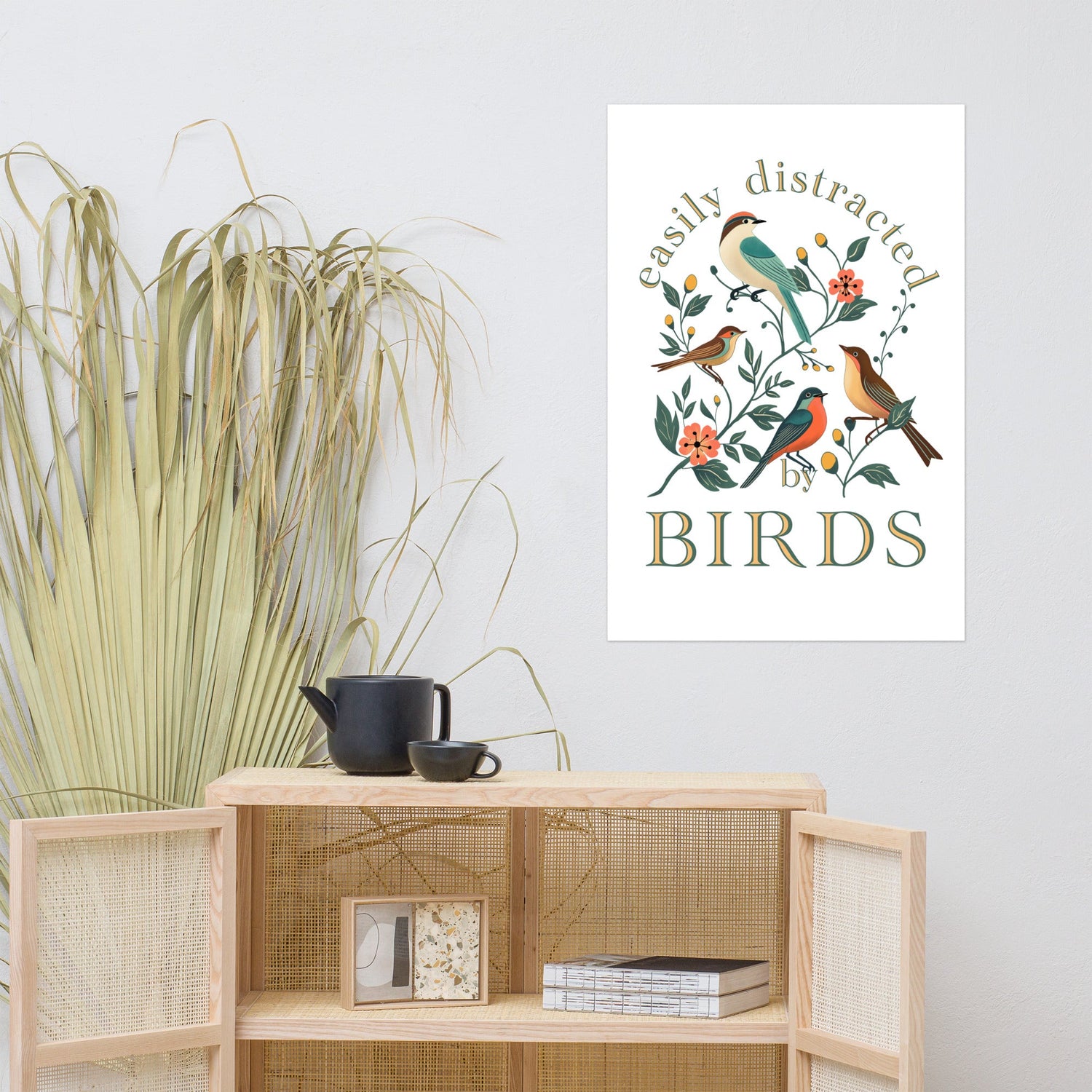
Our birds and flowers pack includes multiple beginner-friendly designs on one sheet.
How to Use Stick and Stitch Patterns: Step by Step
Let's walk through a complete stick stitch project from start to finish. This process works the same regardless of which pattern or material you choose.
Step 1: Prepare Your Fabric
Start with a clean, wrinkle-free surface. If you're stitching on a garment like a t-shirt or jacket, give it a quick press with an iron first. Wrinkles under the stabilizer paper can cause uneven stitching.
Place your material in the embroidery hoop. It should be drum-tight with no slack. Tighten the screw at the top of the hoop until it doesn't move when you tap it lightly.
Step 2: Position and Stick Your Pattern
Cut out the individual design from the sheet, leaving a small border around the image. Peel off the backing to expose the sticky adhesive side. Position the stick stitch paper where you want the finished embroidery to appear.
Press it down firmly, smoothing out any air bubbles with your fingers. The sticky adhesive is repositionable for a few seconds, so you can adjust placement if needed. Once it's where you want it, press down firmly across the entire surface.
Tip: If you're using a hoop, apply the stick stitch paper after hooping. This way you can see exactly how the design will sit within the hoop frame.
Step 3: Start Stitching
Thread your needle with 2 to 3 strands of embroidery floss (pulled from the standard 6-strand skein). Knot one end. Bring it up from the back, through both your material and the stick stitch paper.
Follow the printed lines of the design. The stabilizer paper gives you a clear guide, so focus on keeping your stitches even and consistent. For most beginner-friendly stick stitch embroidery patterns, a simple backstitch is all you need. It creates a clean, solid line that looks great on any design.
Don't worry about being perfect. Part of the charm of hand embroidery is the slight variation that makes each piece unique.
Step 4: Dissolve the Stabilizer
Once you've finished stitching the entire design, remove your piece from the hoop. Fill a bowl with warm (not hot) water and submerge your embroidered piece. Let it soak for 5 to 10 minutes.
You'll see the stick stitch paper start to dissolve and turn the water slightly cloudy. Gently agitate with your fingers to help the process along. If any bits of stabilizer remain stuck between stitches, a soft toothbrush can help nudge them loose.
Rinse under clean running water until it feels smooth and free of any sticky residue.
Step 5: Dry and Display
Lay your finished piece flat on a clean towel and gently pat it dry. You can also roll it in a towel to absorb excess water. Let it air dry completely.
If things are wrinkled after drying, press gently with an iron on the reverse side (place a towel between the iron and the embroidery to protect your stitches).
Now you can frame it in the hoop, sew it onto a garment, or display it however you like.


Best Stitches for Stick Stitch Embroidery
You don't need to know dozens of stitches to create something you're proud of. These four will cover the vast majority of beginner stick stitch projects:
- Backstitch: The workhorse of embroidery. Creates clean, connected lines. Perfect for outlines, text, and any continuous line in a design. If you only learn one stitch, make it this one.
- Satin stitch: Parallel stitches laid side by side to fill in small areas with solid color. Great for flower petals, leaves, and bird bodies.
- French knots: Small, raised dots created by wrapping thread around your needle before pulling through. Use them for eyes, flower centers, or decorative texture.
- Split stitch: Similar to backstitch but creates a slightly braided line. Nice for organic shapes like stems and branches.
Most stick stitch patterns are designed around simple outlines, so backstitch alone will carry you through your first several projects. As you get comfortable, you can experiment with fill stitches and texture.
Choosing the Right Pattern for Your First Project
Not all patterns are created equal when it comes to beginner-friendliness. Here's what to look for:
- Bold, simple outlines. Patterns with clear, continuous lines are easiest to follow. Avoid designs with lots of tiny details or closely spaced elements until you're more confident.
- Moderate size. A design that fits in a 4 to 6-inch hoop is ideal. Small enough to finish in a few sessions, large enough that you're not squinting at tiny details.
- Subject matter you love. You'll spend hours looking at this design. Pick something that genuinely makes you happy. Birds, flowers, animals, whatever draws you in.
Nature-themed patterns tend to be particularly forgiving for beginners. Organic shapes like flowers, leaves, and birds don't require mathematical precision. A slightly uneven petal or a wobbly branch just looks natural.

Bird-Themed Stick and Stitch Patterns
Our cute birds and flowers pack features clean outlines that are perfect for your first project.
Looking for a couple more beginner-friendly bird options? Our Folk Birds Stick and Stitch pattern features simple, charming bird silhouettes with clean outlines, and the Folk Hummingbirds version is perfect if you’ve got a hummingbird obsession to channel.
What Can You Embroider With Stick and Stitch?
This is where stick stitch really shines. Because you're working with a peel-and-stick stabilizer paper, you can apply it to almost anything you can push a needle through. Here are some popular project ideas:
- Clothing: T-shirts, denim jackets, jeans pockets, baseball caps, sweatshirts
- Accessories: Tote bags, canvas backpacks, pencil pouches, fabric headbands
- Home decor: Throw pillows, tea towels, cloth napkins, curtains
- Gifts: Personalized handkerchiefs, baby onesies, embroidered patches
- Display pieces: Framed hoop art for your wall or shelf
The ability to embroider directly onto finished garments and accessories is a huge advantage over traditional transfer methods, which often require flat, unwrinkled material that hasn't been sewn into anything yet.
A silly goose pattern on a denim jacket? A birds and flowers design on a linen tote bag? A geese and flowers pattern on a set of kitchen towels? All totally doable with stick and stitch.

Put a Silly Goose on It
Our silly goose pattern is a fun beginner project that looks great on jackets, totes, and just about anything.
Common Beginner Mistakes (And How to Avoid Them)
Stick stitch is forgiving, but a few common missteps can trip up first-timers. Here's how to sidestep them.
Using Too Many Strands of Floss
Six-strand floss straight off the skein is thick. Really thick. For most stick stitch designs, 2 to 3 strands give you the best balance of coverage and control. Using all 6 strands makes it harder to pull through the stabilizer paper and can result in lumpy, uneven stitches.
Not Soaking Long Enough
If you pull your piece out of the water after just a minute or two, you'll likely have sticky residue left behind. Give it a full 5 to 10 minutes. Warm water speeds up the dissolving process. If you see bits of paper stuck between stitches, that's normal. Just soak a little longer and gently work them loose.
Pulling Stitches Too Tight
Tight stitches pucker the material, especially on lighter-weight items. Aim for stitches that lay flat against the surface without pulling into ridges. The embroidery hoop helps with this by keeping consistent tension while you work.
Skipping the Hoop
It's tempting to stitch without a hoop, especially on small stick stitch designs. Resist that temptation. A hoop keeps everything taut and your stitches even. Without one, things bunch up and stitches become inconsistent. It's a small step that makes a big difference in the finished result.
Placing the Pattern on Wrinkled Fabric
The sticky stabilizer bonds best to smooth, flat surfaces. Wrinkles underneath the paper can cause the adhesive to bond unevenly and make the design shift while you stitch. A quick press with an iron before applying saves a lot of frustration later.
Stick and Stitch vs. Other Transfer Methods
How does stick stitch compare to other ways of getting a design onto your project? Here's a quick breakdown:
| Method | Pros | Cons |
|---|---|---|
| Stick and Stitch | No tracing, works on any material, paper dissolves completely | Single use, costs per pattern |
| Iron-On Transfer | Reusable, no water needed | Lines may not wash out, requires precise heat |
| Water-Soluble Pen | Inexpensive, flexible | Requires tracing skill, lines can fade before you finish |
| Carbon Transfer Paper | Works on dark fabrics | Can smudge, lines may not wash out |
| Lightbox Tracing | Accurate for detailed designs | Requires lightbox, doesn't work on dark or thick fabric |
For beginners, stick stitch wins on convenience and reliability. For experienced embroiderers who want to reuse the same design multiple times, iron-on transfers or digital embroidery pattern files might be more cost-effective in the long run. Many stitchers use both methods depending on the project.


Seasonal and Themed Pattern Ideas
One of the fun things about stick stitch is how easy it is to match your embroidery to seasons, holidays, or your personal interests. Pattern packs are sold in themes, so you can browse designs that fit whatever you're making. A few ideas to get you thinking:
- Year-round nature themes: Birds and botanicals or birds and flowers work beautifully in any season.
- Valentine's Day or anniversaries: A birds and hearts pattern makes a sweet handmade gift.
- Holiday gifts: Christmas birds and holly stitched onto a stocking or tea towel is the kind of thoughtful, handmade touch that people actually keep.
- Just for fun: Sometimes you want something playful. A silly goose pattern or the silly goose with coquette bows adds personality to a jacket, bag, or anywhere that could use a little humor.
Embroidered items also make genuinely thoughtful gifts. There's something about a handmade piece that feels more personal than anything you can buy off a shelf. Customers who give stick stitch packs as gifts love that they're giving both the finished product and the experience of making it.

Stitch Something Sweet
Our Valentine birds and hearts pack makes a thoughtful handmade gift for someone you love.
Frequently Asked Questions
Q: Can I reuse a stick and stitch pattern?
A: No. Stick stitch patterns are single-use because the water soluble stabilizer paper dissolves when soaked. Each sheet is used once. However, most pattern packs come with multiple individual designs, so you get several projects from one purchase.
Q: Will the stabilizer residue damage anything?
A: No. Water soluble stabilizer is designed to dissolve completely and leave no residue. As long as you soak your piece long enough and rinse thoroughly, your material will be exactly as it was before, just with your embroidery on it.
Q: Can I use stick stitch on stretchy material like a t-shirt?
A: Yes. The stabilizer paper actually helps here because it adds temporary stiffness while you stitch. Use a hoop to keep things taut, and avoid pulling your stitches too tight to prevent puckering. Knit materials work well with stick and stitch.
Q: What if I make a mistake while stitching?
A: Simply use your scissors or a seam ripper to carefully remove the stitches you want to redo. The stick stitch paper will still be intact. If you pull out a section and the paper tears slightly in that spot, it's fine. It will all dissolve in the water anyway. What matters is the stitching underneath.
Q: Can I print my own stick and stitch paper?
A: Some crafters buy blank water soluble stabilizer sheets and print designs on them using a home inkjet printer. This can work, but there are catches. Laser printer heat can damage or partially dissolve the stabilizer, so inkjet is the only option. The printed image also tends to be less crisp than professionally printed stick stitch packs, and the ink can sometimes bleed when you soak the paper. For beginners, buying pre-printed embroidery patterns is more reliable. Once you're comfortable with the technique, experimenting with DIY printing can be a fun next step.
Q: How do I wash an embroidered garment after the stabilizer is removed?
A: Embroidered items can be washed normally. For the longest life, turn the garment inside out, use cold water, and lay flat to dry. This protects the stitches from abrasion in the wash.
What to Do Next
You now know what stick and stitch embroidery is, how it works, what supplies you need, and how to complete your first project. The only thing left is to pick a pattern pack and start stitching.
If you're brand new to hand embroidery, start with a single, simple design. Don't worry about perfect stitches. The goal for your first stick stitch project is to learn the process and enjoy it. You can refine your technique on the second, third, and twentieth project.
And if you're looking for nature-inspired designs to start with, the Better With Birds stick and stitch collection has bird and botanical embroidery patterns in a range of styles. They're designed with clean, clear outlines that are forgiving for beginners and satisfying for experienced stitchers. You can browse the whole sheet of designs on each product page before you buy.
Grab a pack, some floss, and see what happens. You might just find your new favorite way to unwind.

Start With Birds and Botanicals
Elegant bird and plant designs with clean outlines, perfect for beginners and nature lovers.