
Transform Your Yard with Native Plants for Birds
This post contains affiliate links. If you use these links to buy something, I may earn a commission at no additional cost to you. I only recommend products I fully support or use myself. My full disclaimer
PIN THIS FOR LATER
Contents
You can turn your yard into a bird haven without a magic wand or a hefty landscaping budget. The trick is knowing a little about native plants.
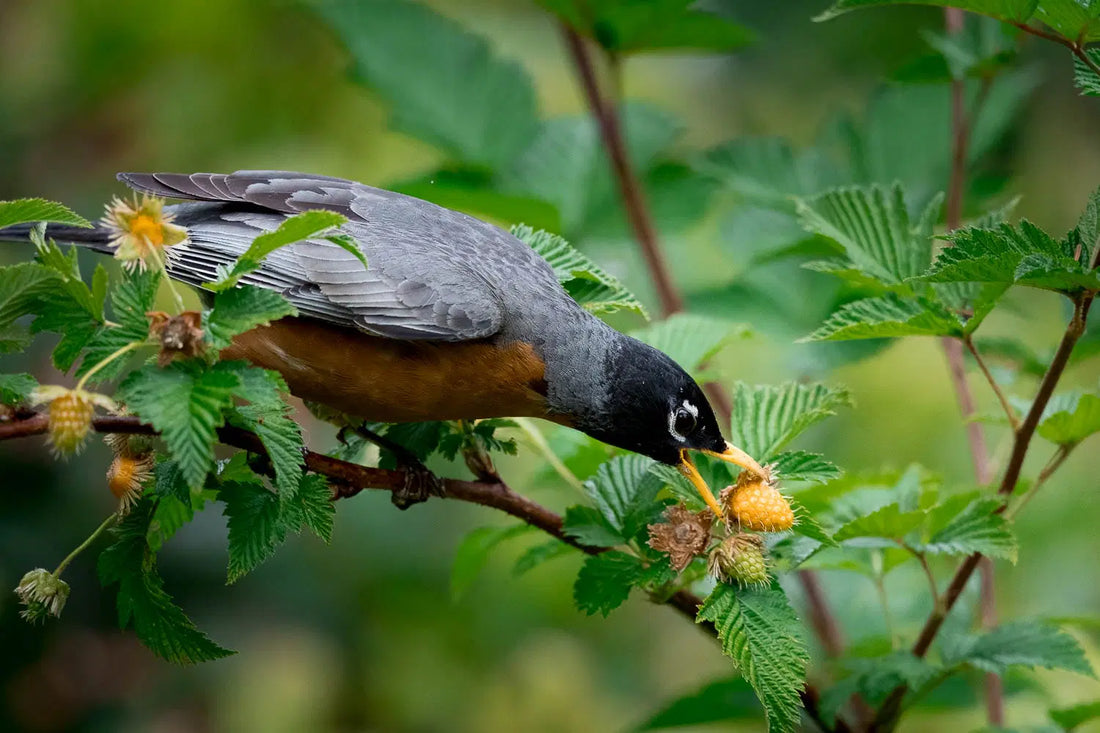
The best bird-friendly plants do double duty. Native shrubs, flowers, and grasses attract birds, and they also feed the insects that nesting parents rely on, so a yard built around them supports far more life than a feeder alone.
Plenty of high-maintenance non-native plants do little more than look pretty. Natives are the unsung heroes of the garden, and they're essential for local bird populations.
Why? They offer birds better nutrition and better habitat. They support the local ecosystem, give birds the food and shelter they need, and even make your gardening life easier.
Want to transform your yard (or balcony!) into the ultimate bird hangout? Start with the plants. They're what bring birds flocking to your doorstep.

A chickadee checks for protein-packed bugs in the flowers of my backyard tree.
Why a bird-friendly yard is worth it
So, why should your yard be as enticing to birds as your grandma's cookie jar is to you?
It's cool, for starters. It's also vital for preserving biodiversity.
Native plants give all kinds of bird species the nutrition and habitat they need, so the birds in your yard eat a varied menu of seeds, insects, and berries.
And watching birds beats staring at a perfectly manicured, lifeless lawn by a mile. Trust me, your backyard is about to become the hottest bird hangout in town.
How native plants support biodiversity
Native plants evolved right alongside local wildlife, and together they built the kind of complex web of life that exotic plants, however pretty, just can't replicate.
Without natives, local birds can't find the right food. That's about as smart as opening a restaurant without a kitchen.
Caterpillars make the point. One oak tree can support hundreds of caterpillar species, while a ginkgo, the fancy import from Asia, hosts only about five.
Does five versus hundreds matter? A single brood of chickadees needs over 6,000 caterpillars to grow, so that's a significant difference to the breeding success of local birds.
Native plants keep that buffet stocked. Research shows they support local bird populations, particularly in suburban backyards.
The trouble with the perfect lawn
Urbanization took a lot of beautiful, ecologically productive land and turned it into fragmented lawns and ornamental plant wastelands.
How much land? Over the past century, the U.S. lost around 150 million acres of habitat and farmland to urban sprawl. Now we have over 40 million acres of lawn, all of it green, boring monoculture.
A perfectly manicured lawn might look nice, but it offers wildlife nothing.
Think of it as a green desert. Sure, it's pleasant to look at, and it's about as lively as a plastic plant. Native plants are the lush oases, brimming with life.

Native plants encourage bug life, which means lots of food for birds, like this Western Tanager feasting on a goldenrod crab spider.
Why the food web depends on native plants
Native plants are the foundation of the food web. They support many insects, those insects are essential food for many species of birds, and a thriving ecosystem builds up from there.
Migration adds another layer. During migration, many birds prefer foods like tender leaves and nectar from specific trees and shrubs, such as oaks and flowering cherries.
And without native plants? The web falls apart. Birds can't find the food they need to survive.
How to choose the right native plants
Picking the right natives is easier than you'd think. Step one is learning which species are native to your region.
Where do you find that out? Audubon's handy database.
It finds plants that will thrive in your local environment and attract specific bird species, and all you do is enter your ZIP code to get a personalized native plant list. Voila.
It's worth doing anywhere. Native trees, shrubs, grasses, and flowers in urban and rural spaces give migratory birds food and shelter, and those green spaces help many bird populations survive their migrations.

Two goldfinches check for nummies on the native conifer trees.
Easy steps to a bird-friendly habitat
1. Start small
Your whole yard doesn't need to become a jungle overnight. Plant a small patch of natives and treat it as a trial run. Bonus: fewer plants, fewer chances for a gardening meltdown.
2. Plan your space
Design with birds in mind. For a stylish native garden, build layers: ground cover, then shrubs, then trees.
That variety gives birds shelter and feeding spots at different levels, a bit like a bird apartment complex with all the amenities.
3. Water sources
Birds need water for drinking and bathing, so put in a birdbath or a small pond.
Moving water? Birds especially love it, which makes a fountain or a dripper worth adding. Just keep it clean. No one likes a dirty bath, birds included.
4. Shelter and nesting
Birds need safe places to hide from predators and harsh weather, and native shrubs and trees make perfect hidey-holes. The same plants give birds food and shelter during migration.
Birdhouses are great too. Pick one that works as a real home for birds first and looks Pinterest-worthy second.
5. Say no to chemicals
Pesticides and fertilizers are a no-go. They're junk food for your plants. Use compost and natural pest control instead, and your birds (and your health) will thank you.

A yellow warbler knows there’s some nectar-y goodness in the flowers of this tree!
Benefits of native plants beyond birdwatching
Once they're established, native plants need little maintenance. They're adapted to your local climate and soil, so they thrive with minimal fuss.
They save water, too. Plants adapted to local conditions typically need less of it, which saves you time and money and conserves a precious natural resource.
Birds aren't the only ones who benefit. Butterflies, bees, and small mammals use native plants as well, so your yard turns into a busy little hub of biodiversity.
Then there's the climate. Landscaping with native plants can help combat climate change by cutting the need for lawn mowers, which means less noise and less carbon pollution. Many native plants, especially trees, are also great at storing carbon dioxide.
What about your own health?
Lawns and traditional landscaping often call for loads of artificial fertilizers and pesticides, and choosing native plants cuts your reliance on those chemicals, which makes for a healthier environment for you, your family, and your community.
And natives look good. Expect blooms, colorful fruits, and seasonal change, a yard that keeps shifting through the year in a way a static green lawn never will.
They feed birds in every season. Native flora gives wintering birds habitat and food through the colder months, then loads of food for migrating and nesting birds in spring.
You really can't go wrong. Start small, choose native plants, and watch your backyard turn into a busy bird hangout. Audubon's native plant database is an easy place to begin.
Free tool from Better With Birds: Try the Plants for Birds planner to get a ZIP-specific native plant list filtered to the birds you want to see. No email, no ads.

From the BWB shop, for the backyard birder


Once your garden starts drawing them in, a bird feeder camera lets you see exactly who shows up.