

Winter Gardening Ideas to Support Local Birds Year-Round
This post contains affiliate links. If you use these links to buy something, I may earn a commission at no additional cost to you. I only recommend products I fully support or use myself. My full disclaimer
PIN THIS FOR LATER
Ah, winter. The season of hot cocoa, questionable holiday sweaters, and the eternal struggle to remember where you stashed your gloves.
While we humans hibernate indoors, the local birds are out there braving the elements. Food gets scarce. Warm shelter is tough to come by.
Can your yard help? With some strategic winter gardening, it can.
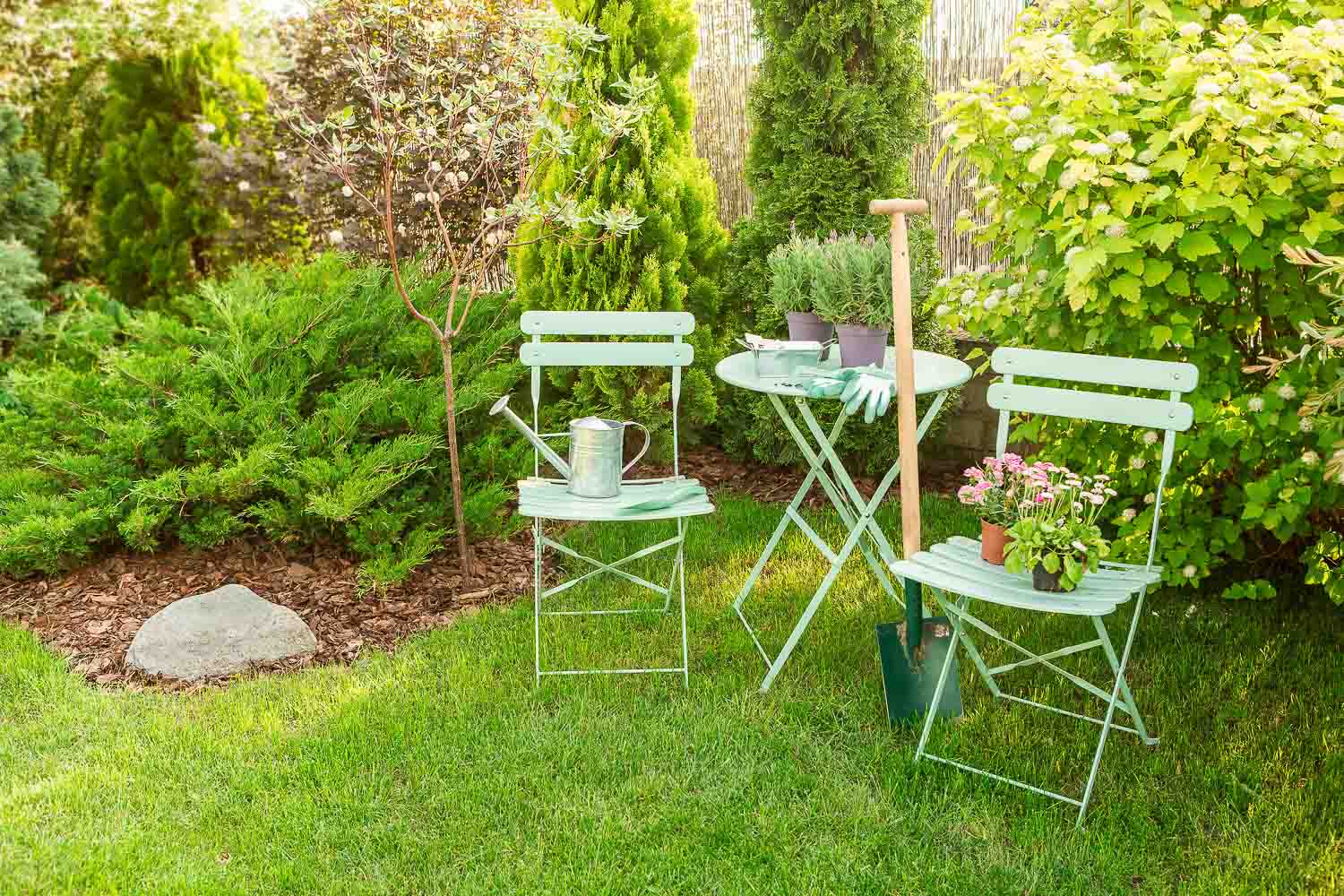
Choose the right native trees and plants, then add the food, water, and shelter birds need to make it through the season, and your yard turns into a cold-weather haven that tells local birds your place is open all year.

Photo: Andrew Fletcher / Shutterstock
Why garden for birds in winter?
Birds are a big deal in local ecosystems. They keep pest populations in check and pollinate plants, and, selfishly, they give us the joy of birdwatching.
Then winter rolls around. Natural food sources dwindle, and birds face a real survival challenge.
Tailor your garden to support them and you're helping more than the local bird gang. You're also contributing to a more balanced, thriving ecosystem.
But wait, can't birds just migrate somewhere warmer?
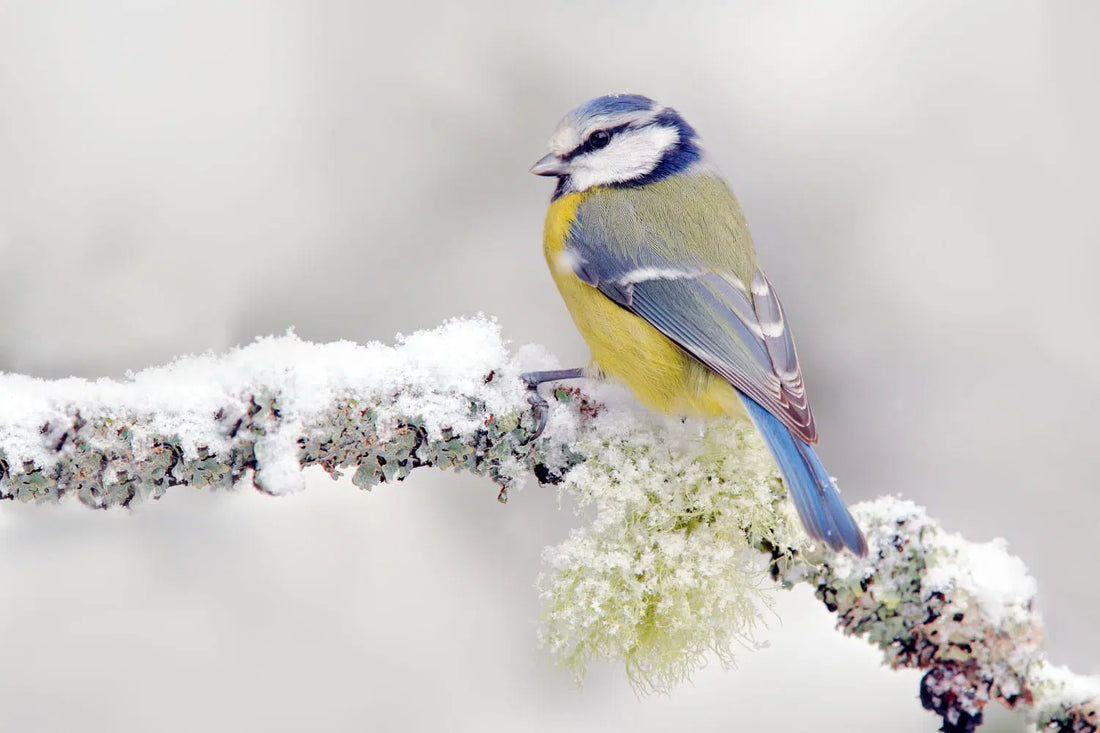
Sure, some do. Plenty of species stick around through the frosty months, though, toughing it out like absolute champs. Chickadees, cardinals, nuthatches, and woodpeckers are common winter residents in many regions.
Others, like dark-eyed juncos, may migrate to your area in winter from colder places. They're counting on finding food and shelter when they arrive, and that's where you and your yard come in.
The ripple effect of a bird-friendly yard
Who else wins when you support winter birds? Your whole garden, come spring.
Birds eat pests, spread seeds, and even help pollinate early blooming flowers, so a thriving bird population means fewer garden intruders and healthier plants year-round.
Attracting birds with specific plants
Want your garden to be a haven for the winter birds that call your region home? Plant native landscaping.
Native plants give your local bird population food, shelter, and nesting materials. They support the rest of your local wildlife too, and they make sure birds have the resources they need to survive.

Photo: JSvideos / Shutterstock
How to get started
The plan is simple. Put native plants first, skip the heavy yard cleanup, and add some supplemental feeders, water, and shelter, and you can build a thriving bird haven.
Watching birds flit through the snow is its own reward. It's a living reminder, too, that even the smallest efforts can have a big impact. These tips will make your yard a welcoming spot for local birds.
1. Keep your plants local
Some greenery does far more for birds than the rest. A native plant garden is the all-star of winter bird gardening.
Why? Native plants have spent thousands of years adapting to the local climate. That makes them hardy and reliable, and it means they're packed with the kinds of berries, seeds, and shelter local birds rely on.
A native garden feeds and shelters birds through the winter, and it keeps the local ecosystem healthier at the same time.
Exotic plants may look flashy. They often lack the nutrients or seed structures local birds rely on, though, which is why natives beat exotics every time. Worse, some non-natives turn invasive and outcompete native plants, cutting the food supply even further.
- Research your region's native plants. A quick search for "native plants for (your area)" turns up a goldmine of info. Many states and regions have native plant societies or university extension programs with lists tailored to local wildlife, and organizations like the Audubon Society offer native plant guides searchable by zip code.
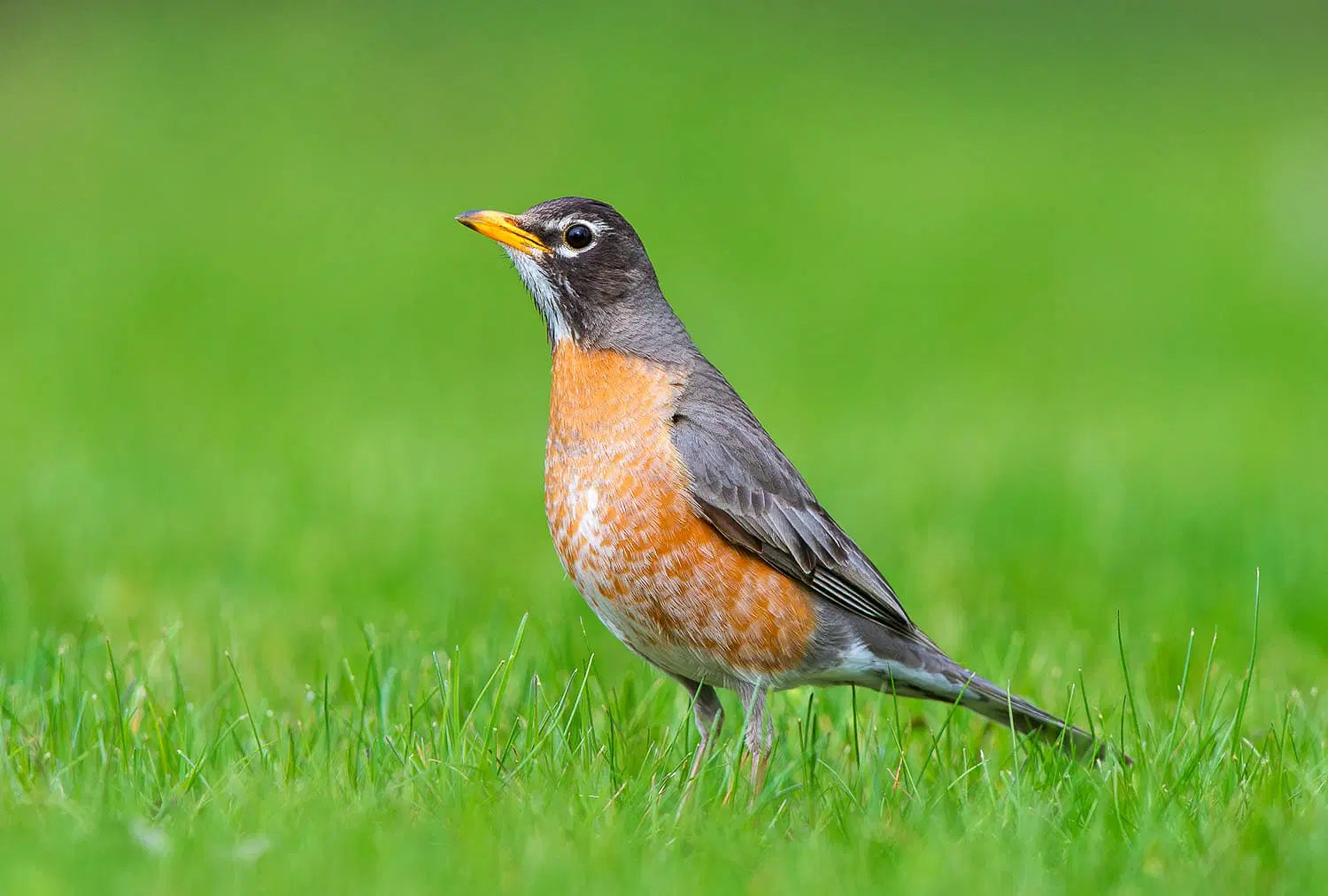
- Focus on variety. Different birds prefer different snacks: some love berries (hello, robins), while others go for seeds or the insects hidden in plant stalks. Mix shrubs, trees, grasses, and flowering perennials and you create a year-round buffet that changes with the seasons. Different plant species also give birds a range of shelter and nesting materials on top of the food.
- Think in layers. Different types of birds use different parts of your yard. Ground-feeders like sparrows forage in leaf litter, finches and warblers prefer mid-level shrubs, and woodpeckers and nuthatches hang out in taller trees. Build several layers (ground cover, shrubs, and trees) and you've got shelter and food for any bird that decides to stop by.
2. The art of lazy gardening
Need an excuse to skip yard cleanup? Congratulations, this is it.
Birds thrive in the messiness of winter landscapes. So being a bum about yard work? Turns out that supports your backyard birds.
- Leave the leaves. Fallen leaves harbor insects and provide insulation, and ground-feeding birds like sparrows and towhees will root around in them for snacks. The leaves also create natural mulch that benefits soil health.
- Don't deadhead everything. Seed heads from coneflowers, grasses, and sunflowers feed birds throughout the winter. Skip the fall cleanup and let nature take over.
- Turn fallen branches into a bird hotel. Got some? Pile them up. A brush pile is instant cover for small birds trying to dodge predators, and during a harsh winter that messy corner of your yard can be the difference between life and death.

Photo: Bachkova Natalia / Shutterstock
3. Bird vending machines (aka bird feeders)
Native plants should be the star of the show. Feeders still play a big supporting role, though, and a well-stocked bird feeder gives birds the food they need to survive a harsh winter.
- Mix up the seed. Black oil sunflower seed is the bird equivalent of avocado toast, universally beloved by the cool kids (and birds are obviously top tier cool kids). Add suet, nyjer seed, and peanuts to the menu.
- Put feeders near shrubs or trees. That way birds have a quick escape route from predators.
- Clean feeders regularly. A dirty feeder is like a sketchy roadside diner: nobody wants to eat there. Regular cleaning helps prevent the spread of disease, much like a restaurant's A rating from the local health department helps prevent the spread of chills and cramping emanating from your gut.
Need help picking out a feeder? A few of my faves:
-
Kingsyard Bird Feeder
It's made from recycled plastic, with a rain- and snow-proof roof and space for two suet cakes and 2.5 lbs of seed.
-
DutchCrafters Poly Plastic Bird Feeder
Stock this guy with the best bird seed and you'll probably end up with a Michelin star restaurant in your own backyard. The birds love the massive seed capacity and the room for suet cakes. I love that it's made in the USA with quality materials and craftsmanship.
-
Squirrel Buster Classic Squirrel-proof Bird Feeder
Nothing against squirrels. I just like birds more (sorry!). This feeder is designed for bird beaks and bird beaks alone, so there's always a snack ready for new visitors.
-
Bird Feeder Camera
Stay inside where it's warm and still get a look at every bird visiting your yard. There are some excellent options out there, and my bird feeder camera guide can help you decide which one is best for you.
4. Keep the tap dripping
Birds need water, even in winter. Frozen ponds and streams limit their options, so where are they supposed to drink?
Your yard, ideally. Readily available water makes a big difference to visiting birds during these months.
- Keep the birdbath warm. Heated birdbaths are available, but a simpler winter fix is adding a heater to the birdbath you already have. Even a basic heater keeps the water from freezing, so birds can drink no matter how low the temperature drops. There are a ton of options out there, like this affordable 120W option or this 250W de-icer.
- No heater? Replace frozen water regularly. Birds will flock to a water source they can count on.

Photo: rumxde / Shutterstock
5. Winter hideout
When the temperature drops and the wind starts howling, a safe, warm place to hunker down can mean the difference between surviving and, well, not.
Shelter is part of good bird habitat all year long, and winter is when birds lean on it most. A few ways to make sure your yard offers the winter housing they rely on:
- Plant evergreens. Pine, spruce, and cedar are the MVPs of winter shelter, because their dense foliage gives excellent cover from snow, wind, and freezing rain. Birds often tuck themselves into the thick branches to stay warm and hidden from predators. Plant a mix of evergreen and deciduous trees and you've got year-round protection that birds will thank you for (probably by eating pests and singing you a nice tune in spring).
- Build brush piles. Fallen branches lying around? Perfect. Pile them up in a corner of your yard and small birds get an instant shelter to camp out in. Brush piles provide critical ground cover, reduce wind chill, and offer hiding spots from predators like neighborhood cats. Layer the pile loosely and mix in dried grasses or twigs to create small pockets where birds can tuck themselves in.
- Install roost boxes. A roost box is a winter lifesaver for birds, with much-needed shelter from freezing temperatures and harsh weather. Compared with a regular nest box, it's designed specifically for warmth, often with thicker walls, a smaller entrance to retain heat, and multiple perches inside so birds can huddle together. Need help choosing the right bird ADU? Check out this Cedar Winter Roosting Box with its simple design and sturdy build.
Where should the box go? Face it away from the prevailing winds, somewhere it'll get some sun during the day to help it warm up. Position it about 6 to 10 feet off the ground, ideally near trees or shrubs.
Already have birdhouses? Give them a good cleaning in late fall to clear out old nests or debris.
Supporting bird migration
Winter gardening helps local birds tough out the cold. It also supports bird migration and long-term habitat health.
Some migratory species pass through your area on their way south as winter sets in. Others rely on your yard as a temporary home base until warmer weather returns.
A bird-friendly garden offers these migrants the resources that help them survive the trip, and it gives your year-round residents the support they need at the same time.
The big picture: why every yard counts
Do you need a sprawling acreage to make a difference? Nope. Even small gardens can become vital habitat patches, offering shelter, food, and water to the birds that stick around for the winter and to migratory birds on long, exhausting flights.
Combine your yard with your neighbors' efforts or a nearby green space, and your winter garden becomes part of a larger corridor that supports bird populations across regions.
Maybe you plant a few shrubs. Maybe you go all-in with native grasses and trees, roosting boxes, and bird feeders that turn your yard into a bird hot springs resort.
Either way, your winter gardening creates a ripple effect. The birds get the resources they need, and you get to keep birdwatching all year long.
Free tool from Better With Birds: Try my Plants for Birds planner to get a ZIP-specific native plant list filtered to the birds you want. No email, no ads.