

How to Create A Mulch Garden to Attract Birds
This post contains affiliate links. If you use these links to buy something, I may earn a commission at no additional cost to you. I only recommend products I fully support or use myself. My full disclaimer
PIN THIS FOR LATER
Contents
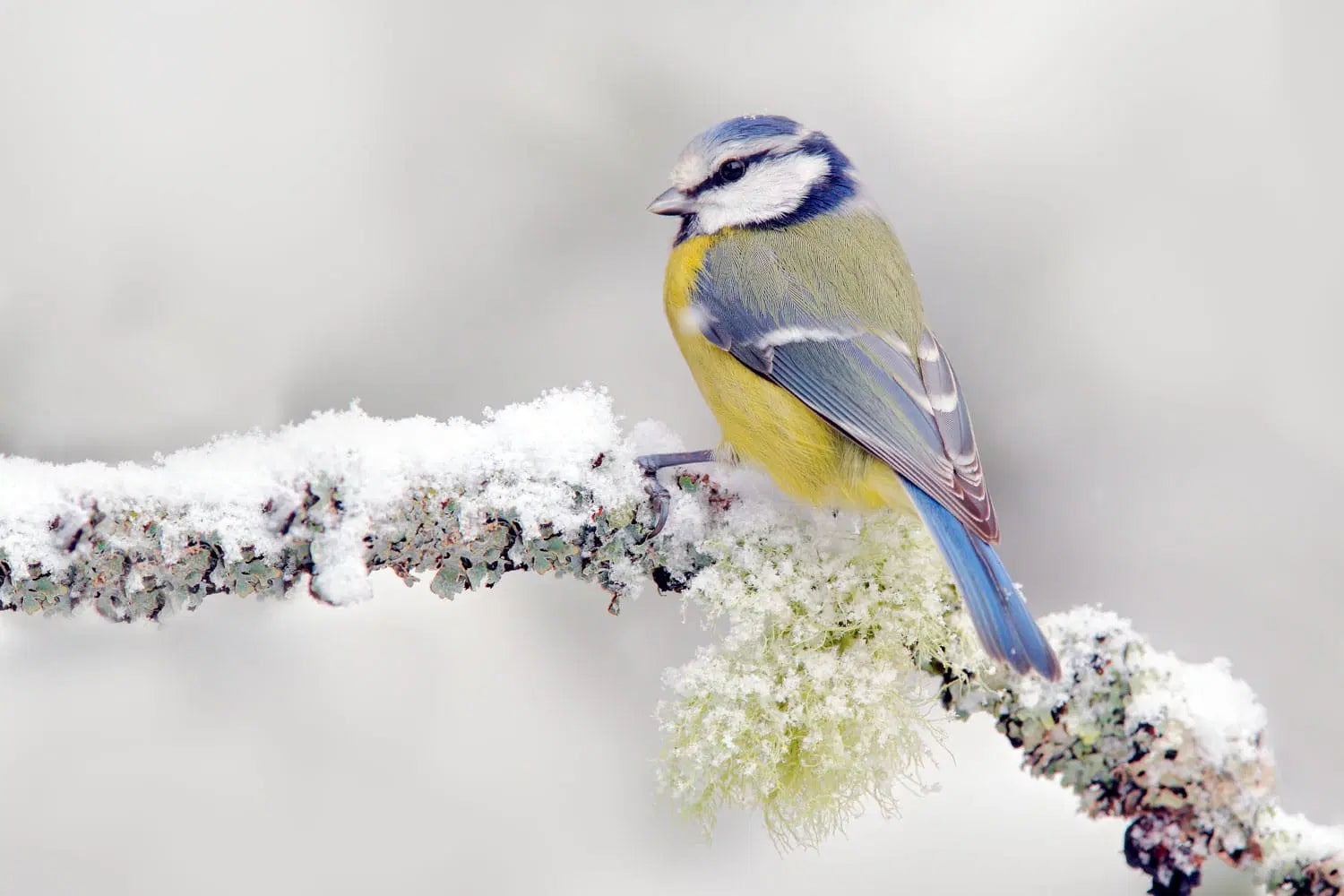
Could mulch make yours the most loved house in the neighborhood, at least among birds? Turns out, it can.
A mulch bed is good for your garden, and it's an easy way to attract a variety of birds.
Birds digging around in the mulch are fun to watch, and there's something satisfying about garden work that turns your yard into an all-natural bird feeder.
A few simple steps turn your garden into a bird paradise.

Photo: Henri_Lehtola/Shutterstock
Why mulch beds are bird-friendly
Providing a habitat for insects
Mulch beds are a haven for insects, an essential food source for many birds. Beetles, worms, and other critters thrive by breaking down the organic mulch you spread.
That snack bar of bugs is what draws insectivorous birds (the bug eaters) to your garden.
Think of it as a whole forest food web shrunk down to garden size, an all-you-can-eat buffet where the bugs eat the plant litter and then the birds eat the bugs.
Offering nesting materials
Mulch beds help feed birds, and birds also use the materials they find there to build nests, since twigs, leaves, and other bits of organic mulch can be perfect for a cozy nest.
And once the babies hatch? For most species, bird seed won't do. Nestlings can't grow big and strong on it, so they need those protein-rich insects to survive.
So your mulch bed is a snack bar and a home improvement store, all in one!

Photo: Leo Bucher/Shutterstock
Creating a safe space for ground-foraging birds
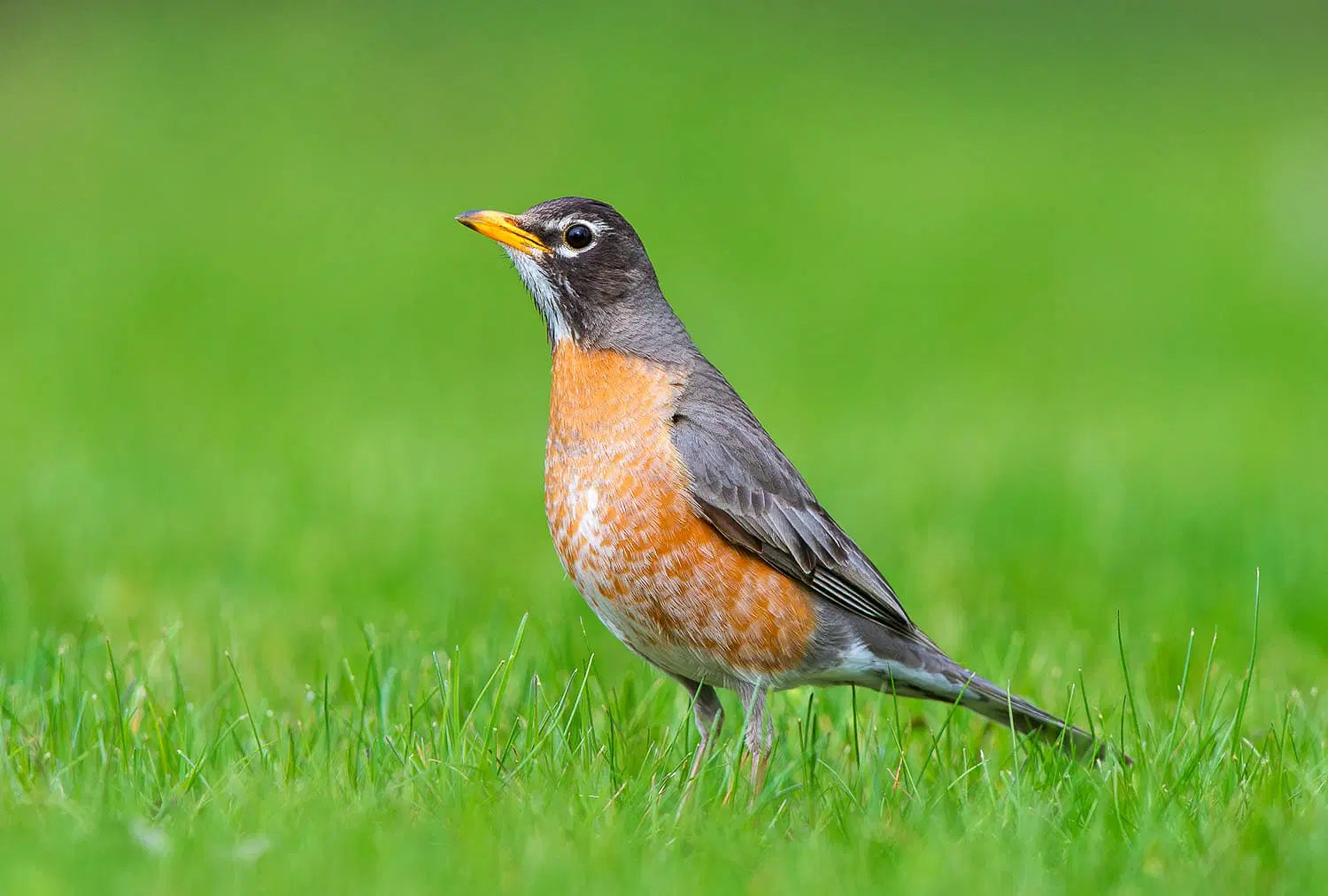
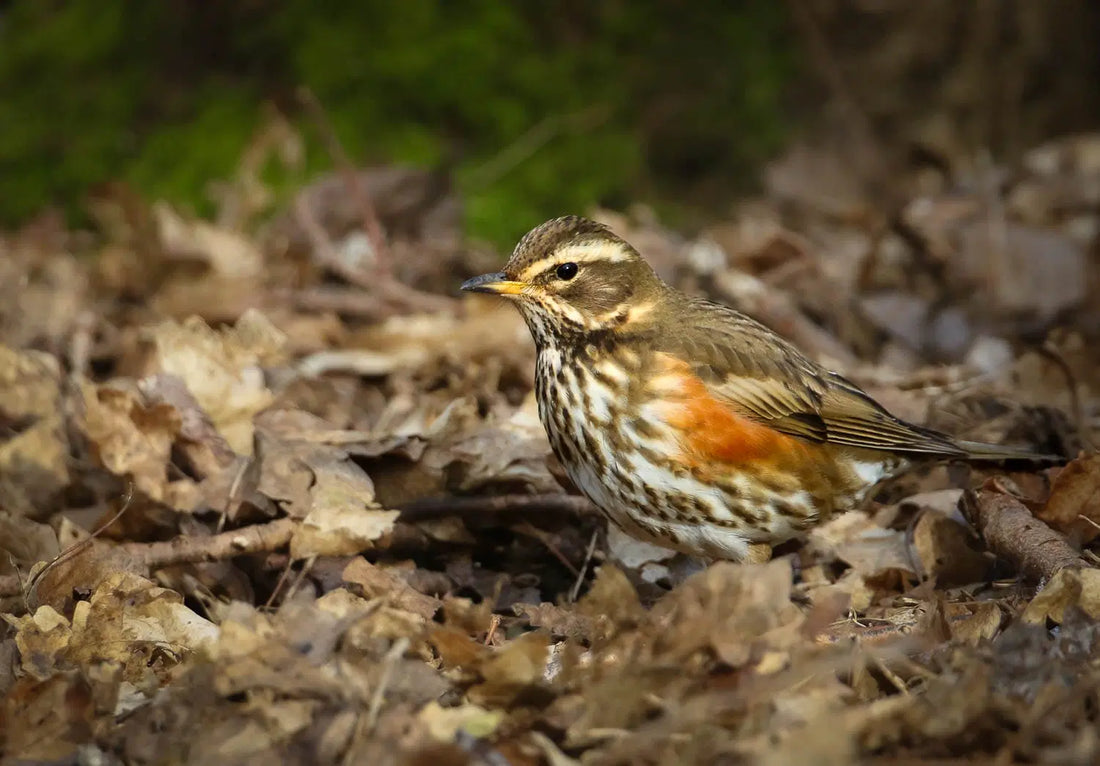
Ground-foraging birds like sparrows and thrushes appreciate the cover and the food a mulch bed gives them. Hunting for insects out in the open? Risky. A layer of mulch gives them a safe space to do it without too much exposure to predators.
Benefits for your garden
And what does your garden get out of it? Rich soil, for starters. Organic mulch decays into nutrients that feed the soil and support the whole ecosystem.
It can also help hold in moisture, keep weeds down, and improve the soil as the plant matter decomposes. Win-win, for you and the birds.

Photo: New Africa/Shutterstock
Choosing the right mulch
Organic mulches
Organic mulches are the best choice for attracting birds. They decompose over time, which enriches the soil and gives insects a thriving place to live. A few top picks:
- Wood chips and bark are great for holding moisture, and they look natural.
- Leaves are easy to source and good for both birds and soil. As they decay, they provide habitat for moth caterpillars, a food source for baby birds.
- Straw provides excellent insulation and a light cover for insects.
- Compost is packed with nutrients, and it's a favorite among gardeners and birds alike.
Avoiding harmful mulches
Can the wrong mulch hurt birds? It can, so skip these two.
- Dyed mulches can contain chemicals that are harmful to birds.
- Chemically treated mulches are out too. Always go with natural, untreated mulch to keep your garden's ecosystem safe.

Photo: Mariia Zarai/Shutterstock

Photo: Ingrid Balabanova/Shutterstock
Planning your mulch bed
Selecting the location
Choose a spot that gets a mix of sunlight and shade.
Already have bird feeders or a water source? Put the mulch bed near them. Birds will find it more attractive with food and water close by.
Designing the layout
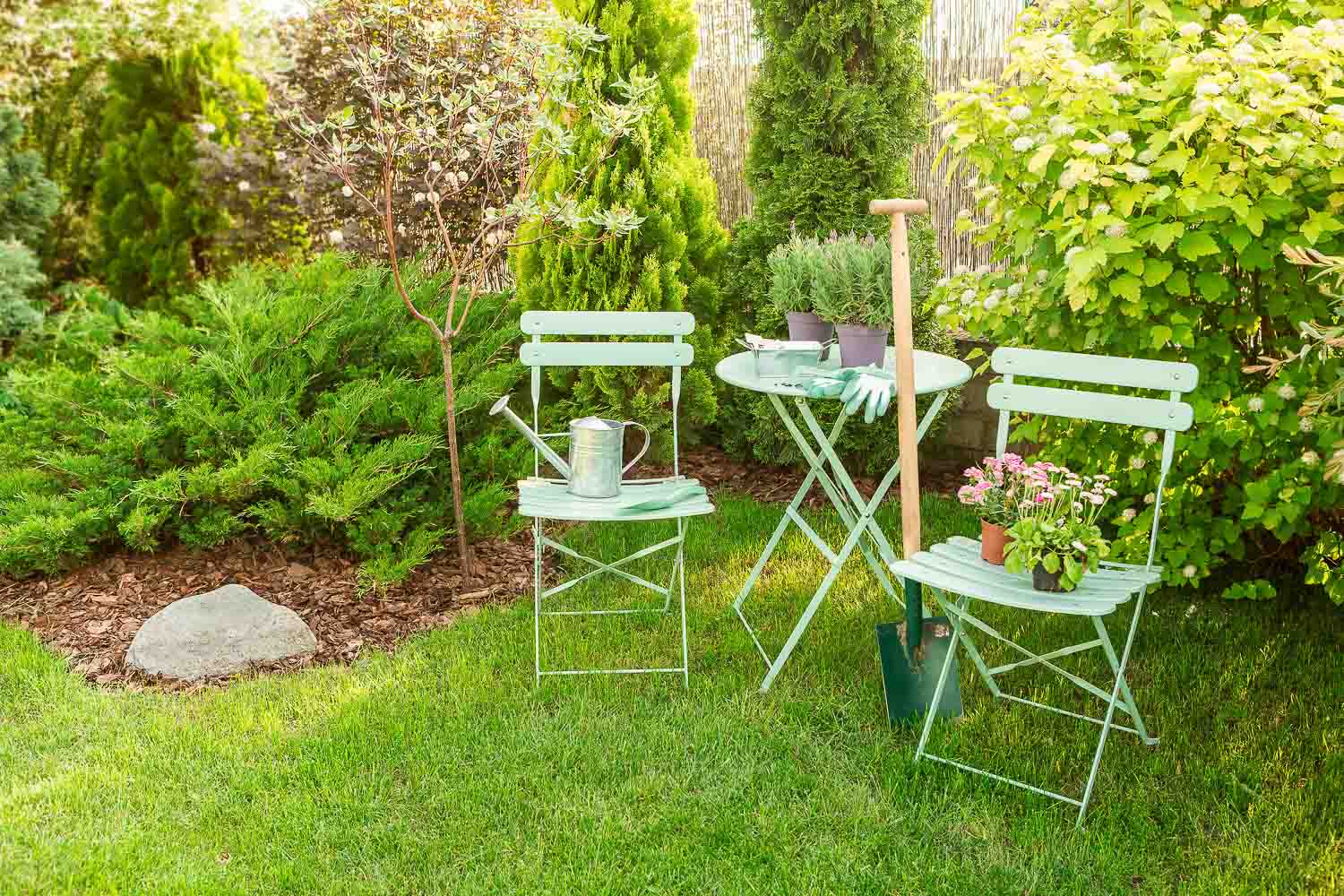
Aim for a natural look with a variety of plants and shrubs, since birds are more likely to visit an area that mimics their natural habitat. Mix up the heights and textures. You get visual interest, and the birds get plenty of hiding spots.
Preparing the ground
Clearing the area
Pull out any existing grass and weeds where the mulch will go, which gives you a clean start and keeps unplanned "volunteer" plants from competing with the plants you chose for the bed.
The mulch helps after that. Once it's down, it acts as a natural barrier that can cut down on new weeds.
Improving the soil
Before the mulch goes down, improve the soil with compost or other organic matter. Why the extra step? It gives your plants, and the whole mulch bed ecosystem, a nutrient-rich base.
Edging the bed
Define the edges of the bed with natural materials like stones or logs, or with garden edging products, and you'll keep the mulch contained while giving the whole garden a neat look.

Photo: NorthLight PhotoArt/Shutterstock
Laying the mulch
Steps to lay the mulch properly
- Spread the mulch evenly, in a layer about 2 to 4 inches thick. Too thin and it won't be effective. Too thick and it might suffocate the plants.
- Keep mulch away from plant bases. Don't pile it directly against stems or trunks. Leaving them clear prevents rot and lets air circulate.
Tips for maintaining the mulch bed
- Replenish mulch as it decomposes. Organic mulch breaks down over time, so add fresh layers as needed.
- Check for pests and diseases. Inspect the bed regularly for signs of pests or plant diseases.

Photo: Vastram/Shutterstock
Making the mulch bed even better for birds
Adding native bird-friendly plants
Plant natives that give birds food and shelter. Flowering plants attract insects. Insects attract birds. Shrubs and small trees offer places to perch and nest.
Incorporating bird baths and bird feeders
Place bird baths and quality bird feeders near the mulch bed to draw birds in.
Are they easy to get to and visible from the mulch bed? Then you've made a central bird-friendly zone.
Creating hiding spots and nesting areas
Logs, rocks, and dense plantings make safe hiding spots and potential nesting areas. Birds appreciate the cover. With it, they'll feel more secure visiting your garden.

Photo: Mark F Lotterhand/Shutterstock
Maintaining your mulch bed
Regular maintenance tasks
- Weed and refresh. Keep weeds at bay and top up the mulch layer as it breaks down.
- Prune your plants. Keep them healthy and not overcrowded. Regular pruning maintains their shape and encourages growth.
Seasonal considerations
- Late fall is the time to add an extra layer of mulch, which protects plants and soil over the winter months.
- In spring and fall, adjust the mulch levels. Remove the excess in spring so the soil can warm up, then replenish it in fall to protect against the cold.
Worth the effort? Yes. A mulch bed is a simple, effective way to attract birds to your garden, and your plants benefit too.
Choose the right mulch, plan your layout, and keep the beds maintained, and you'll give birds a welcoming habitat while you enjoy a healthier, livelier garden.
So grab your shovel and get mulching. Soon enough, you'll be the bird landlord of the year!
Free tool from Better With Birds: Try my Plants for Birds planner to get a ZIP-specific native plant list filtered to the birds you want. No email, no ads.

From the BWB shop, for the backyard birder


Pair good mulch with the right native plants for birds to build a backyard they'll keep coming back to.