

How To Start Bird Watching: A Beginner’s Guide

This post contains affiliate links. If you use these links to buy something, I may earn a commission at no additional cost to you. I only recommend products I fully support or use myself. My full disclaimer
PIN THIS FOR LATER
Contents
Have you discovered an interest in bird watching but you aren't sure how to really dive in?
Bird watching, also known as birding is simply the act of watching birds in their natural environment. Sounds simple, right? And it is! Except...
It can be downright overwhelming to figure out where to dig in when you’re just starting out. What binoculars do you buy? How do you even begin to identify all those birds?
Relax... we’ve got you covered.
Our beginner-friendly guide is here to smooth your path into your new favorite hobby. We’ll introduce you to the basics - from binoculars to birding clubs - and show you how to spot and identify new species.
No complicated jargon, just simple, effective advice to get you spotting like a pro.

An American dipper pair, the only aquatic songbird in North America. Even the most understated, dare we say “drab” species are actually spectacular in their own special ways.

Birding Gear for Beginners
A great bird watching experience doesn’t have to be complicated, but having the right birding gear will certainly up your odds of a good time.
That’s because having the right gear, especially a good pair of binoculars, is essential for a satisfying bird watching experience, turning bird watching from a casual glance into a deep dive.
Choosing The Right Binoculars
Think of binoculars as your superpower glasses. They pull distant dots into sharp, detailed views right before your eyes, all without scaring off your feathered friends. They enable you to admire the subtlest details from afar... like catching the glint in a yellow warbler's eye or the twitch of its tail feathers.
Let’s get down to what makes a great pair of binoculars:
- Field of View: The wider, the better. You’ll see more action without having to swing your specs all over the place.
- Magnification: 8x is the sweet spot. Close-up clarity meets a steady, shake-free view.
- Weight: Go for something that won’t feel like a workout. You want your bird watching to be about the birds, not about the ache in your arms.
- Materials: Look for tough yet lightweight. Waterproof and fog-proof, ready for whatever the sky decides to drop.
8x42 is the favorite among beginners for its balance of zoom and a big lens that sucks in light, making dawn and dusk birding a joy. You don’t need to break the bank to start; many budget binoculars will give you a clear enough view to see those birding moments.
Ready to Find Your Perfect Binoculars? Check out our no-nonsense guide to binocular specs to find your perfect match. Let’s get started and get you out there, seeing the bird world like never before!

There are more field guides out there than you can shake a Killdeer’s tail feather at! But don’t worry, it’s pretty easy to find a winner.
Choosing a Field Guide
Next you’ll need a field guide. This is your go-to resource for learning about bird species and understanding avian biology and birding practices. A good field guide, combined with your own observations, makes all the difference in learning birds fast.
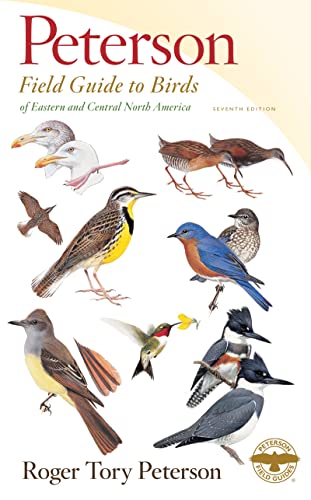
Trusted options for beginners include Peterson's Guide and the National Audubon Society field guides, both of which are highly recommended for their accuracy and ease of use.
Selecting a Field Guide: Quick Tips
-
Go Local: Choose a guide that focuses on birds in your area. This zeros in on the species you’ll see most often, not confusing you with similar looking birds from other areas.
-
Look for Clear Illustrations: Good illustrations or photos are key. They should show key features like the bird’s size, typical postures and distinguishing marks. Look for guides with images of birds in various poses and lighting conditions to help you recognize them in the field.
-
Check for User-Friendliness: A well-organized field guide can save you from flipping pages in frustration. It should have a logical layout—perhaps grouped by bird color, size or habitat. This makes it quicker to narrow down your options when you’re trying to match the actual bird you see in the field with its picture or illustration in the book.
-
Consider the Extras: Some guides go beyond identification. They include maps of migration patterns, detailed descriptions of bird calls and tips on birding etiquette. These extras can add to your understanding of avian life and your birding practice.
-
Durability Matters: Since bird watching often involves braving the elements, look for a field guide that can withstand a bit of weather—water-resistant pages and a sturdy cover are nice features to have.
A well chosen field guide, tailored to your area and needs, combined with observation, will make your birding trips a learning experience and bird ID less of a guessing game and more of a skill you build with every trip outside.
If you’re based in North America and want to begin with just one fantastic guide that’s local enough and gets you started on the right foot…
We highly recommend one of these guides:
 |
 |
 |
 |
 |
|
|
|
|
|
|
Wait, how’d that last one get in there?? 🤷🏻♀️ Ah well, you might as well pick it up, too, and start learning birds of the world! 🌏
3. Additional Accessories
Aside from binoculars and a field guide, there are a few additional accessories that can enhance your birdwatching experience.
NOTEBOOKS
Because, obviously.
Keeping a notebook with you is helpful for jotting down impressions of a bird or things you notice, which you can look up later when you get home.
It also helps you keep track of what you’ve seen, where and when, so you can plan future birding excursions.
You can use a simple pad of lined paper, or get a little fancy with journals made specifically for birders. Here are a few we really enjoy.


Keep your sightings organized
Our hardcover birding notebook has 80 pages of FSC-certified paper, an elastic closure, and a back pocket for field notes. Sturdy enough for the field, pretty enough for your desk.
Smart Phone Apps
Say hello to birdwatching in the 21st century!
Birding apps have changed the way we spot, identify, and record our feathered finds.
These digital tools can be a game-changer, especially when you’re in the middle of nowhere with just your phone.
Here’s a roundup of the best bird ID apps that should be on every birder’s mobile device:
-
Merlin Bird ID (by Cornell Lab): This user-friendly app uses your bird observations to offer instant ID help, drawing from a vast database powered by the Cornell Lab of Ornithology.
iOS ➞
Android ➞ -
Audubon Bird Guide: A comprehensive app with photos, bird calls, and detailed info on over 800 North American species. Great for both beginners and experienced birders.
iOS ➞
Android ➞ -
Sibley eGuide to Birds: Based on David Sibley’s popular guidebooks, this app features detailed illustrations, range maps, and descriptions, making ID a breeze.
iOS ➞
Android ➞ -
eBird: Also by Cornell Lab, eBird lets you record and share your sightings, contributing to global bird research, while helping you manage your own life lists.
iOS ➞
Android ➞ -
Larkwire: A unique app that focuses on learning bird songs through a game-like format, perfect for mastering the art of bird calls.
iOS ➞ -
BirdsEye: Ideal for finding hotspots for bird sightings and discovering new species around you. It’s like having a local guide in your pocket.
iOS ➞ -
Raptor ID: Specifically designed for raptor enthusiasts, this app offers detailed information and photos to help distinguish these majestic birds of prey.
iOS ➞
Android ➞
With these apps in your arsenal, you’re not just ready to embark on a birdwatching quest—you’re set to thrive in any birding adventure, whether deep in the woods or scanning the skies from your backyard.

More than likely there are birds living in your neighborhood that you’ve never spotted before. But put on your birding eyes and whamo – a whole new world opens up right at home.
Birding in Your Own Backyard
One of the best things about bird watching is that it doesn’t require travel... you can watch birds and enjoy your newfound bird watching hobby right from your own home. Your outdoor space, whether it’s a big garden or a small balcony, can quickly become a bird haven where you can observe many common birds.
Setting Up a Backyard Bird Feeder
Setting up a bird feeder is a great way to attract a variety of bird species.
When choosing a feeder, go for one that’s easy to clean and designed to keep the seeds dry.
Place it in a safe spot, away from predators and clear of windows to prevent collisions.
Regular maintenance is key; cleaning your feeder regularly keeps the birds healthy and safe.
And don’t forget about water! A water source, especially one that won’t freeze in winter, can attract even more birds.
And if you want to attract hummingbirds, why not plant some native flowers with those big red blooms they can’t resist?

Before bird watching, your species list might include, “Those ones we always see in parking lots” and “The ones that hop under the table at the outdoor cafe.” But, they have names and fascinating natural histories that birding unlocks for you.
Learn Local Species First
Becoming a seasoned birder starts with recognizing the regulars... the birds that visit your backyard daily. Watch their behaviors, listen to their calls and you’ll soon be able to identify them without looking!
Remember, bird watching requires patience so don’t get discouraged if you can’t identify every bird at first.
Over time you’ll learn to recognize different species and will enjoy your bird watching sessions more with familiar birds. You may be surprised by how many species visit your neighborhood throughout the year, especially during migration seasons.

Visiting spots even just a wee bit outside your usual turf will reveal an amazing number of species. I never saw a horned lark until my adulthood, despite the fact that an easy habitat to view them in is just a couple hours from where I grew up.
Finding the Best Bird Watching Spots
Your backyard is comfy but the real action happens when you get out a bit. Let’s level up your bird watching game by exploring new locations.
A local park is a great place for beginners to start bird watching, offering easy access and (usually) a variety of bird species. Many birders participate in organized bird walks at spots like these, which are often led by experts and so make a great opportunity to learn and connect with the birding community.
Whether it’s a city park, a local nature reserve or epic destinations like the Grand Canyon National Park or (gasp!) the bird-filled forests of South America, each location offers a unique bird watching experience.
But let’s start easy and just go a bit farther from home.
Exploring Nearby Nature Spots
Hit up your nearest parks or natural areas, especially in the early morning—prime time for birds who apparently never learned to hit the snooze button. This is when you’ll see them in their natural morning routines, from breakfast to chirping up a storm.
Watch their behaviors and sounds and try to identify different species. You’ll be amazed at the variety of bird life that can be found right in your own backyard - including species you’ve never seen before!
Venturing into Different Habitats
Got your bird watching basics down? Great, now get ready to go to habitats you haven’t been to before. Forests, coastal areas and the intersections of different habitats (think forest edges or where land meets water) are hotspots for bird life.
Follow birding trails set by local experts to a loop of drivable bird watching sites known for their special birding opportunities. Some habitats to explore:
- Forests
- Wetlands
- Grasslands
- Coastal areas
The more habitats you visit, the more bird species you’ll see.

Early mornings. Early mornings. Early mornings. Let’s say it all together now: EARLY MORNINGS. And also mid-day, afternoons, evenings… but oh my goodness the magic of early mornings. I’ll never forget the pink dawn spent with this common loon.
Timing Your Bird Watching
Bird watching isn’t just where you go... it’s also when you go.
Birds are most active at certain times of day and year, so timing your bird watching adventures wisely can make a big difference. For example, bird activity often decreases by late morning as birds seek shade and rest, so plan to observe them earlier in the day for the best experience.
The Early Bird Catches the Worm
Ever heard the saying “the early bird gets the worm”? Well, it applies to birders too! Birds are most active between dawn and 11am, especially in spring and early summer. They’re also more vocal in the morning so you can use auditory cues to help you identify and locate them.
Even on overcast days, bird activity can go beyond the usual morning hours so don’t worry if you’re not a morning person—you’ll still have plenty of time to bird. Just remember, the early bird watcher catches the... well, best sightings.
Seasonal Considerations
Bird watching is a year-round activity but different seasons bring different birding opportunities. Spring and fall are peak migration seasons so you’ll see more variety and numbers of birds. Some birds like American Robins signal the start of spring while others like Red-winged Blackbirds can be seen in large flocks in winter.
Consider joining seasonal bird festivals to go on field trips, meet experts and connect with other birders.

Some species are only “common” during certain seasons. For instance, snow geese that turn up during migration time on the Pacific Flyway.
Bird Clubs and Communities
Bird watching isn’t a solo activity. It can also be social!
Join a birding club and local birdcentric communities, especially those endorsed by the American Birding Association’s guidelines, to get many benefits.
Local birding groups welcome beginner birders and offer opportunities to learn from other birders, making it easier for newcomers to get started and feel included.
This includes the benefits of learning from experienced birders and sharing your birding experiences with like-minded people, all while following a code of ethics that emphasizes minimal impact on wildlife, respect for nature and people and inclusivity in the birding community.
Find a Local Bird Group
Find a local bird group through the American Birding Association or search on Google and Facebook. Local Audubon Society chapters often host events and educational opportunities including field trips and classes for birders.
You’ll not only learn more about bird watching but also make new friends who love birds too.
Community Events
Community events like birding festivals and bird watching programs are great ways to get involved with the birding community.
These events allow you to learn about bird movements, improve your identification skills and share your sightings with others.
Many participants at these kinds of events submit their observations to eBird checklists, helping track bird distribution and supporting conservation research... and helping you get even more knowledgeable about what's been spotted in the area for your own adventures.
You can connect with birders of all levels through state or regional birding pages on social media. With some planning these community events can really enhance your bird watching skills and enjoyment.

Let’s all raise our voices and sing as loudly as a common yellowthroat for building big, welcoming, joyful and kind birding communities!
Diversity, Inclusivity and Community in Birdwatching
Birdwatching is a hobby that’s open to everyone, regardless of age, background, or experience level. However, it’s important to ensure that everyone feels welcomed and included in the birding community.
This means creating environments where newcomers feel safe and encouraged to participate, and where exclusive stereotypes are actively challenged.
Groups like the Black AF in STEM and Feminist Bird Club are on the frontlines, pushing for a birdwatching scene that’s inclusive of all genders, races, and abilities.
And with initiatives like Black Birders Week, the birding community is increasingly spotlighting the diverse faces that make up our community, showcasing that birdwatching is as much about people as it is about the birds.
This isn’t just about inclusivity for the sake of it.
It’s about weaving a rich, vibrant community fabric that supports, teaches, and grows together.
It’s about ensuring that nature appreciation and bird conservation aren’t just causes, but a shared mission that benefits culture and community as much as it benefits habitats and species.
So, whether you’re a seasoned birder or a beginner, remember that every birdwatcher has a unique perspective to offer.
Let’s celebrate diversity, promote inclusiveness, and cultivate a birding community as rich and varied as the birds we admire.

Whooooo did you see today? One of the fun reasons to keep a birding record is to jot down when you see a species for the first time – like the day I saw my first burrowing owl. (Which happened to be at a soccer field in a busy urban area. Go figure.)
Logging Your Bird Watching
Logging your bird watching can be a big part of the birding fun. Not only does it help you remember the birds you’ve seen but it also allows you to contribute to bird conservation through citizen science projects.
Creating an eBird account lets you log your bird sightings, manage your personal life list, and contribute valuable data to a global ornithological database.
Logging your observations also helps you identify birds more accurately over time as you track your progress and learn from each outing.
Your Life List
One way to log your bird watching is to start a life list. This is a personal record of all the bird species you’ve seen. It’s a log and a memory book of your birding adventures.
Apps like the Merlin Bird ID can help with the logging process, where you can input specific details of your sightings including location and date. Only add birds to your life list that you have seen or heard.
Whether digital or hard copy, logging your bird sightings can enhance your birding and contribute to bird conservation.

From the “What even IS that??” moments to “I know that song but I just can’t ever remember who is singing it” situations, birding can have its frustrations. Luckily, there’s a lot of help out there. (White-faced ibis.)
Overcoming Birding Challenges
Birding can be tough, especially for beginners. It takes patience, practice, and a keen eye to identify different bird species and understand their behaviors. Developing birding skills, such as observing bird moves and flight patterns, can help you overcome identification challenges and make the experience more rewarding. But don’t worry—we’ve got some tips to help you overcome these challenges.
Dealing with Frustration
Yes, birding can test your zen, especially when those flitting beauties zip through the trees or hide behind leaves. But you can make a lot of progress without too much headache by focusing on the basics. Note:
- Size: Is it sparrow-sized? Or a hawk-sized honcho?
- Colors: Flashy feathers or more muted tones?
- Patterns: Stripes, spots or something else?
- Shape: Chunky, sleek or somewhere in between?
- Flight Pattern: Does it zip from here to there in short bursts? Glide? Have an undulating flight?
These details will help you narrow down the list of who you might be looking at and make you more observant overall. And that, friend, means less frustration.
Remember, birding is a learning process and it’s important to set realistic expectations for your bird identification journey. And! When the going gets tough, the tough get techy.
A good bird identification app doesn’t just help you name birds; it turns every birding trip into a mini-adventure and eases those beginner blues.
Get Guidance
Stumped? If you’re having trouble identifying birds or understanding their behaviors, don’t hesitate to get guidance.
Here’s how to tap into the birdwatcher’s buddy system:
- Experienced Birders: These are the folks who’ve been at it for years; their brains are treasure troves of beaky knowledge.
- Bird Clubs: Like social clubs, but everyone’s there for the birds.
- Online Birding Groups: Perfect for midnight oil burners looking to swap stories or ID tips.
- Bird watching Courses: From casual webinars to in-depth field classes, there’s something for every level.
- Join a local bird club: Get into real-life bird adventures and make some feather-friendly friends.
These resources can provide valuable advice and support as well as improve your bird watching skills.
Remember, all birders were once beginners and the birding community, including other birders, is usually supportive and welcoming.

As you learn to bird, you’ll learn about the dos and don’ts. But most of it is all common sense. Think about the birds' and others' wellbeing first, and you’re pretty much good to go. (Male harlequin ducks in a tide pool.)
Ethical Birdwatching Practices
As birdwatchers we have a dual responsibility: to cherish our feathered friends and the places they live.
If you’re ready to start birding, remember to do so with respect for wildlife and by following ethical guidelines.
Following the ethical guidelines set by the American Birding Association, we strive to tread lightly and treat our birding environments with the utmost respect.
These guidelines are a compass to guide us, to minimize our impact on wildlife, respect the natural world and foster a welcoming community among birders.
Respect for Nature
The golden rule in bird watching? Observe from a distance. It’s all about watching without interfering.
Keep activities low-key, manage pets responsibly in nature areas and avoid anything that could disrupt the natural habitats. By doing so we ensure bird watching remains a sustainable pleasure for future generations.
Courtesy Among Birders
Bird watching is as much about community as it is about individual discovery.
Being courteous means being a supportive, helpful and inclusive presence in the birding community. It’s about sharing spaces and insights graciously, learning from each other and growing together in our shared passion.
Let’s have a birding community that’s friendly, respectful and welcoming to all.
We’re excited to welcome you to birding!
Bird watching isn’t just a hobby; it’s a full-on adventure into nature that can seriously boost your mood and your step count.
Whether you’re cozied up by your window with a cup of coffee, hiking through varied landscapes or mingling with fellow birders at festivals, bird watching gets you into a world of new experiences and learning.
But let’s be real, bird watching is WAY more than just checking off species on a list.
It’s about observing the subtleties of bird behavior, respecting their natural habitats and playing a part in their future.
So, grab your binoculars, download a birding app or start a bird journal and get into the flock. The big, feathered world of birdwatching awaits!
Free tool from Better With Birds: If you're starting a bird journal, our free printable bird journal template has daily entries, sketch pages, monthly summaries, and a life list. Print as many copies as you need.
And if you're shopping for a new birdwatcher (or treating yourself to a beginner-friendly bird gift), our gifts for birdwatchers collection has shirts, mugs, and stickers for the new birder.